Zoning is the gatekeeper for mid-density housing.
In many Quebec municipalities, zoning bylaws written decades ago still restrict large areas to single-family homes. These regulations were designed for a different era — one where suburban expansion was the dominant growth model and density was viewed as undesirable. Today, with a housing deficit exceeding 100,000 units province-wide, those same zoning rules are one of the biggest barriers to building the mid-density housing that communities need.
Zoning reform is changing this picture. Several Quebec municipalities have updated their zoning frameworks to allow three to four-storey multi-unit buildings in areas previously restricted to detached homes. For modular construction, these reforms open up a significant number of infill sites that were previously off-limits.
What the reforms look like.
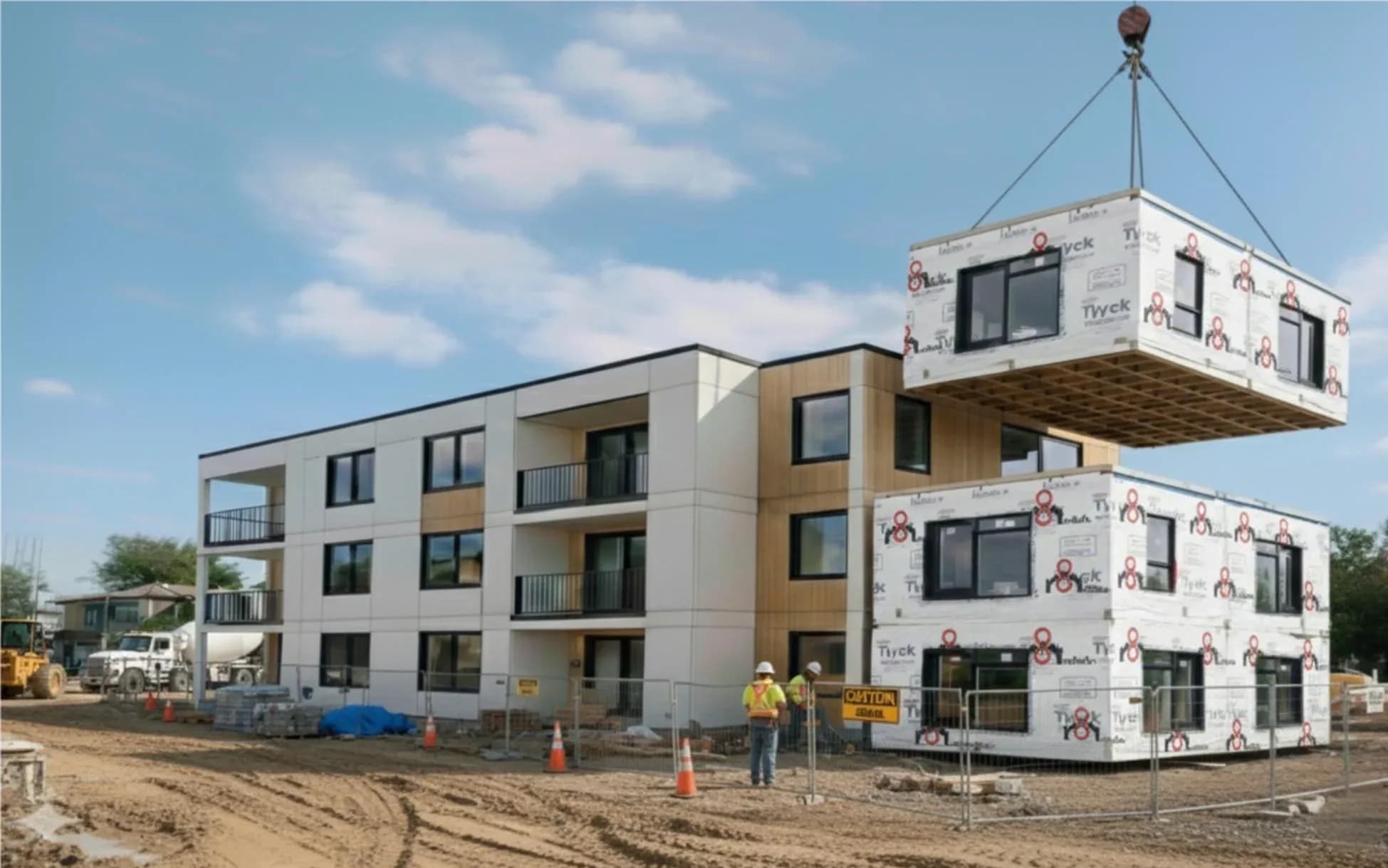
The most impactful changes are those that allow "missing middle" housing types — buildings with 6 to 24 units that fall between single-family homes and high-rise towers. Municipalities are adding new zoning categories that permit three to four-storey multi-residential buildings on lots previously zoned for single or duplex use.
The "missing middle" is missing because zoning made it illegal. Now that municipalities are updating those rules, modular construction is ready to fill the gap with formats designed specifically for mid-density sites.
Some municipalities are going further, creating expedited approval pathways for modular projects that meet pre-defined criteria. These "as-of-right" provisions allow projects that conform to height, setback, and density standards to proceed without discretionary review, saving months in the approval process.
Zoning reforms in Quebec are permitting three to four-storey multi-residential buildings on lots previously zoned for single-family homes.
New "missing middle" zoning categories accommodate buildings with 6 to 24 units.
Expedited approval pathways for modular projects that meet pre-defined criteria.
As-of-right provisions eliminate discretionary review for conforming projects, saving months.
Infill site availability for modular construction is expanding as zoning barriers fall.
Why this matters for modular construction.
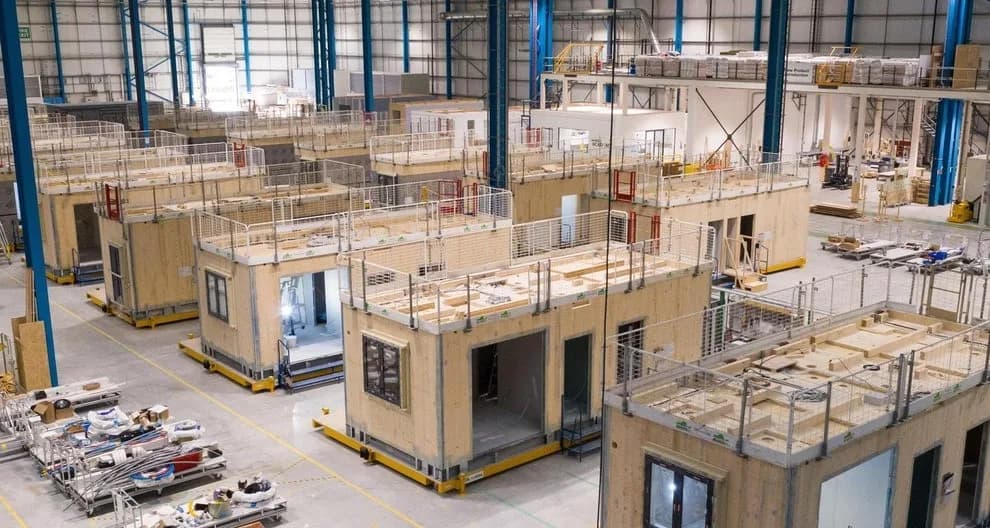
Modular construction is particularly well-suited for the mid-density housing that zoning reform is enabling. Formats like the 6-Plex, 12-Plex, and 24-Plex are designed specifically for the three to four-storey, 6 to 24-unit buildings that the new zoning categories allow. These formats can be deployed on infill lots with minimal site disruption, delivered in compressed timelines, and replicated across multiple sites with consistent quality.
For municipalities, the combination of zoning reform and modular delivery creates a powerful housing strategy. Updated zoning provides the sites. Modular delivery provides the speed and cost certainty. Together, they offer a path to meaningful housing supply growth without the complexity and expense of high-rise construction.