Six stations, one quality standard.
Our modular production facility is where every 8Module unit takes shape. From the first steel frame to the final inspection sticker, each module passes through six dedicated production stations, each with its own quality checkpoints. The result is a building component that arrives on site fully finished, fully inspected, and ready for assembly.
The facility operates year-round, unaffected by weather conditions that would shut down a conventional construction site. This indoor, controlled environment is one of the key reasons modular construction can deliver more consistent quality and tighter timelines than site-built alternatives.
The six production stations.
Station one is steel framing, where the structural skeleton of each module is welded and assembled. Station two is mechanical rough-in, covering plumbing, electrical, and HVAC installation within the frame. Station three is insulation and vapor barrier, ensuring energy performance meets code. Station four is interior finishing — drywall, flooring, cabinetry, and fixtures. Station five is exterior sheathing and weather protection. Station six is final inspection and documentation.
Every module passes through six production stations, each with documented quality checks. By the time it leaves the factory, the module has been inspected more thoroughly than most site-built structures ever will be.
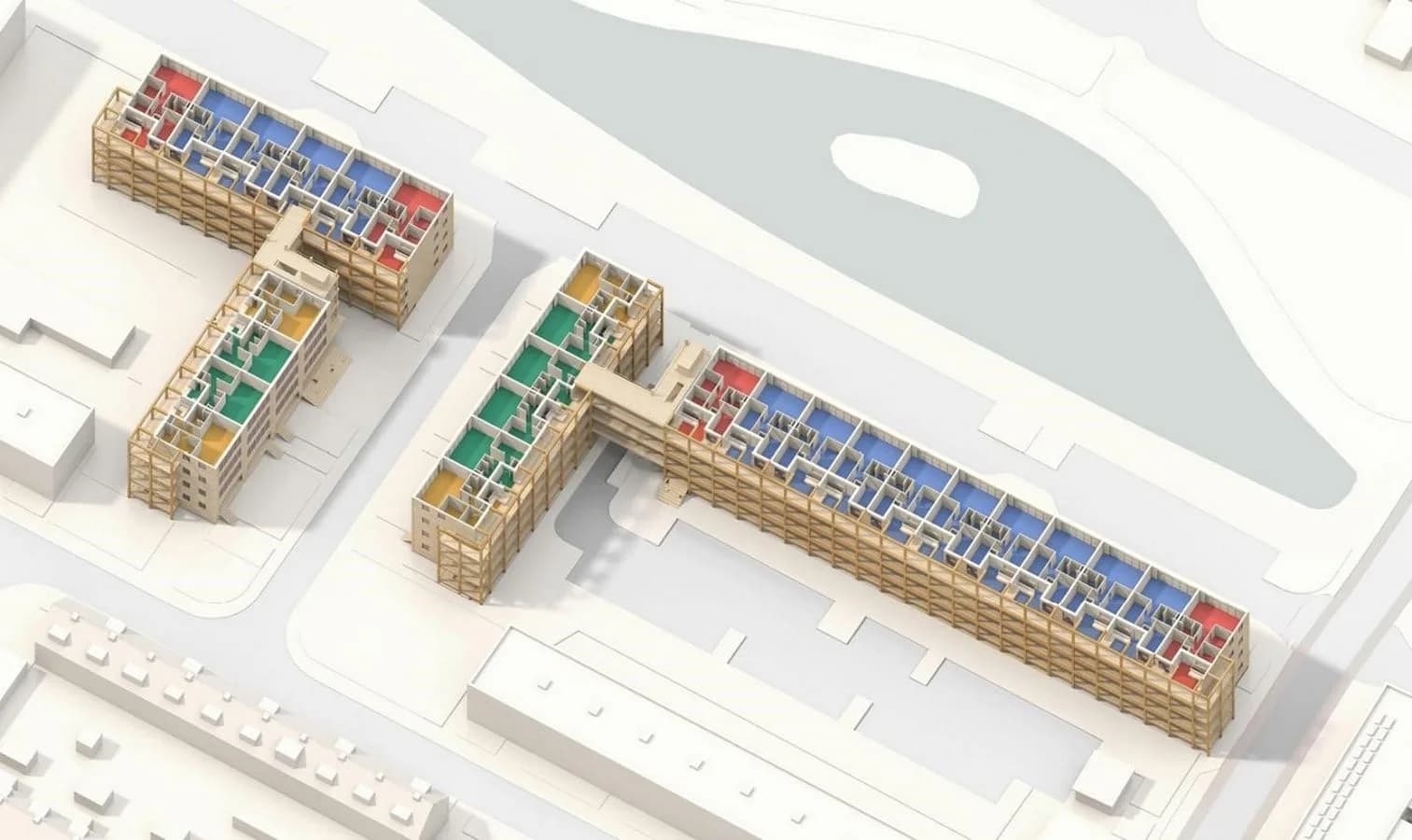
Station 1: Steel framing — structural skeleton welded and assembled to engineering specifications.
Station 2: Mechanical rough-in — plumbing, electrical, and HVAC installed within the structural frame.
Station 3: Insulation and vapor barrier — energy performance and moisture control verified.
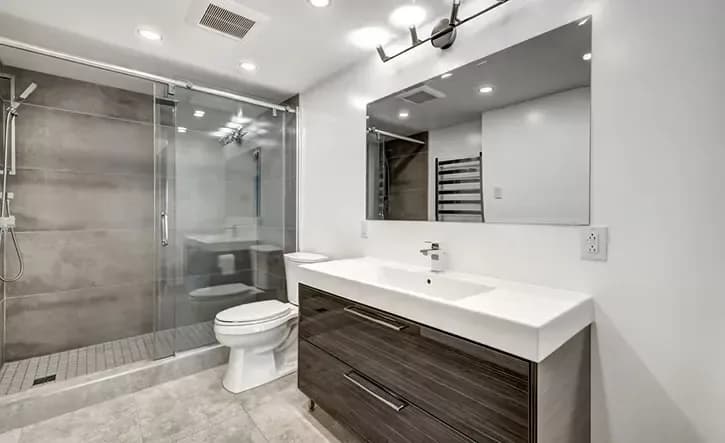
Station 4: Interior finishing — drywall, flooring, cabinetry, fixtures, and painting completed.
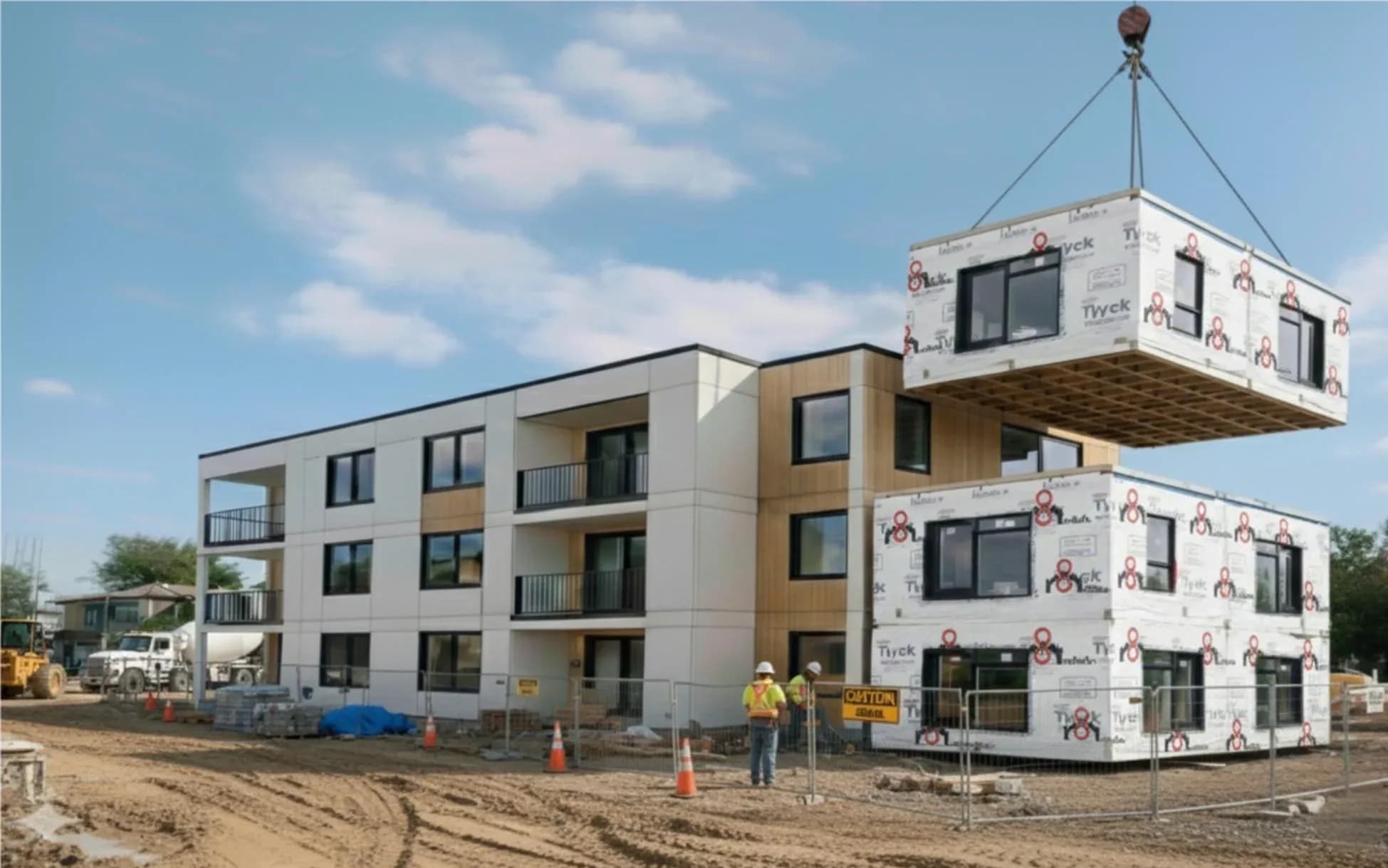
Station 5: Exterior sheathing — weather barrier and exterior protection applied.
Station 6: Final inspection — comprehensive quality review and CSA A277 documentation.
Why factory conditions produce better outcomes.
In a factory, materials are stored in dry, climate-controlled conditions. Workers operate on level platforms with proper lighting and ventilation. Tools and equipment are permanently positioned at each station. There is no rain, no wind, no frozen ground. These conditions produce measurably better outcomes: tighter tolerances, fewer defects, and less material waste.
The controlled environment also enables better scheduling. Production timelines are not subject to weather delays, labor availability fluctuations, or the coordination challenges that plague multi-trade job sites. Each module moves through the production line on a predictable schedule, which means delivery dates can be committed with confidence.