Affordable housing mandates need cost-certain delivery.
Affordable housing programs at the federal and provincial level are increasingly tied to cost benchmarks. To qualify for funding, projects must demonstrate that they can deliver units at or below specified per-unit costs. In conventional construction, meeting these benchmarks is difficult because costs escalate throughout the build process.
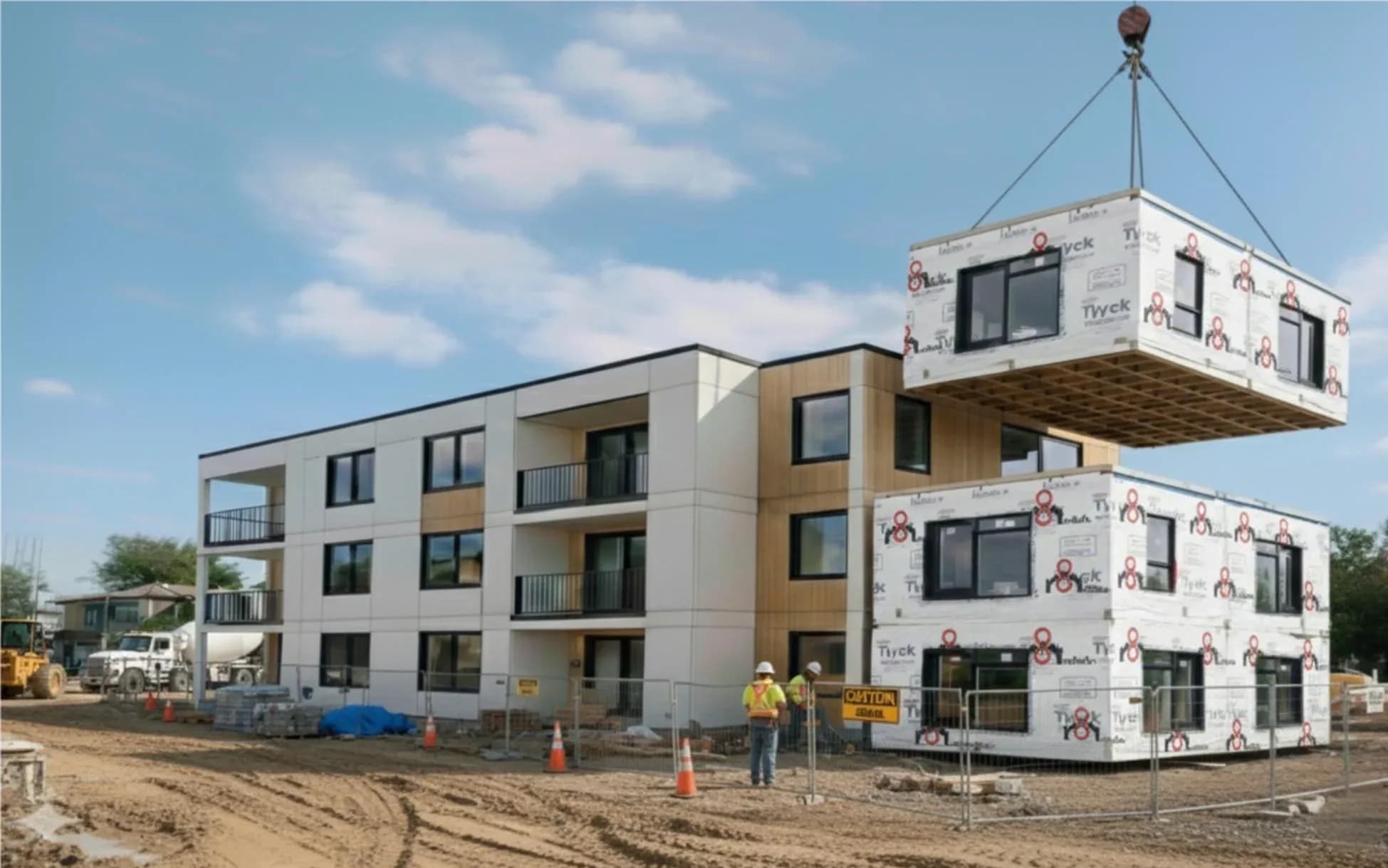
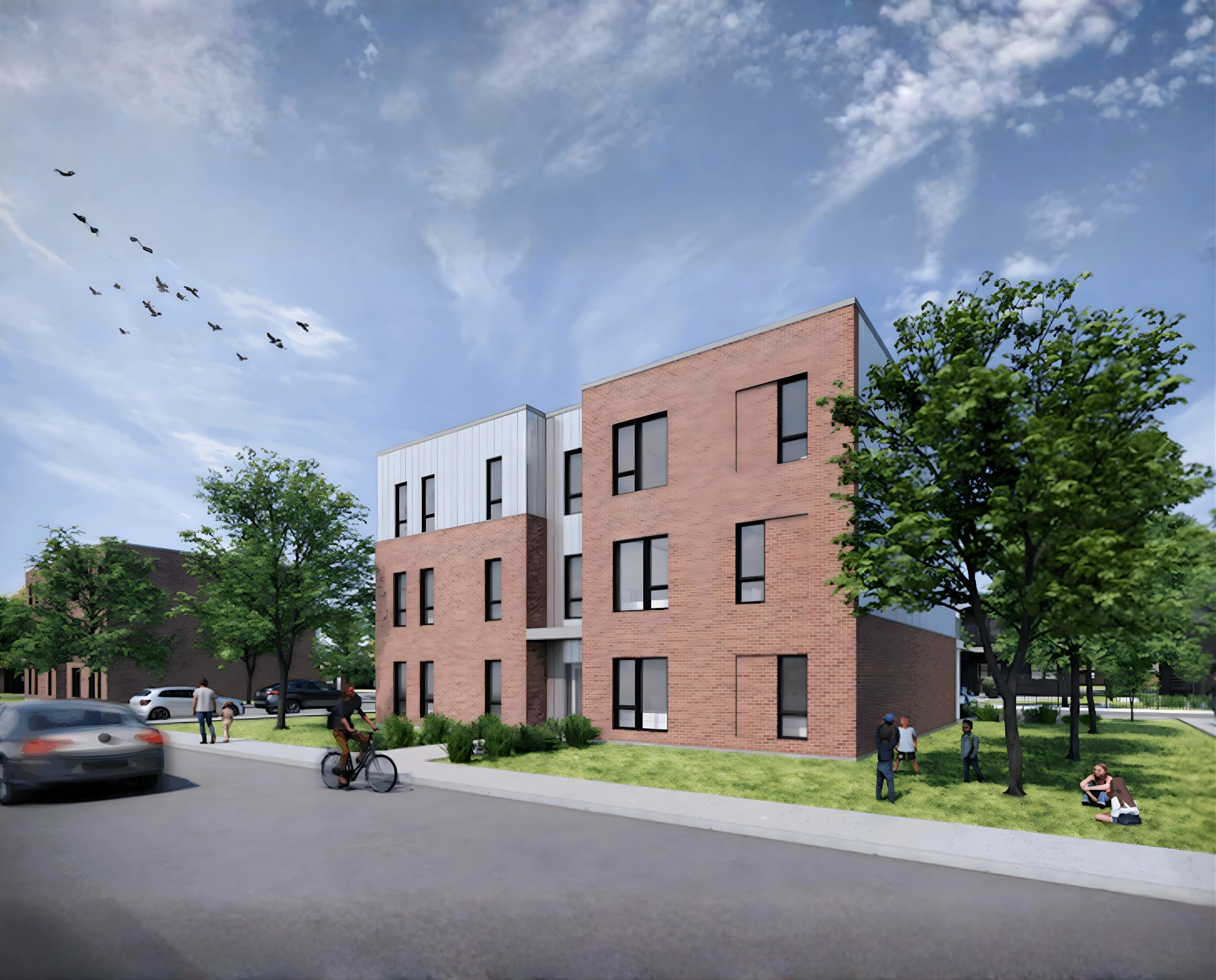
Fixed-price modular delivery aligns naturally with affordable housing mandates because the cost is known before construction begins. The per-unit price is locked in at contract signing, which means the project can be underwritten with confidence and funding applications can be submitted with accurate cost projections.
How fixed pricing supports funding applications.
Federal programs like the Rapid Housing Initiative and provincial programs like the Programme d'habitation abordable Québec require detailed cost breakdowns and delivery timelines as part of the application process. Modular delivery makes these applications stronger because the numbers are firm, not estimated.
When a funding application says "this project will cost $X and deliver by this date," and the modular contract guarantees both, the application is fundamentally stronger than one built on conventional estimates.
The timeline advantage matters as much as the cost advantage for affordable housing funding. Many programs have use-it-or-lose-it provisions: if the project is not delivered within a specified window, the funding is clawed back. Modular construction's compressed timelines make it more likely that projects will meet these deadlines.
Fixed per-unit pricing meets the cost benchmark requirements of federal and provincial affordable housing programs.
Locked delivery timelines reduce the risk of losing time-sensitive funding allocations.
Factory-based quality control ensures units meet livability standards required by affordable housing mandates.
Turnkey contracts simplify the administrative burden of program compliance and reporting.
The broader case for modular in affordable housing.
Beyond cost and timeline, modular construction supports affordable housing mandates through quality consistency. Every unit that leaves the factory is built to the same standard, inspected at the same checkpoints, and finished with the same materials. There is no quality gradient between the first unit built and the last — a common issue in large conventional projects where fatigue and budget pressure can lead to shortcuts.
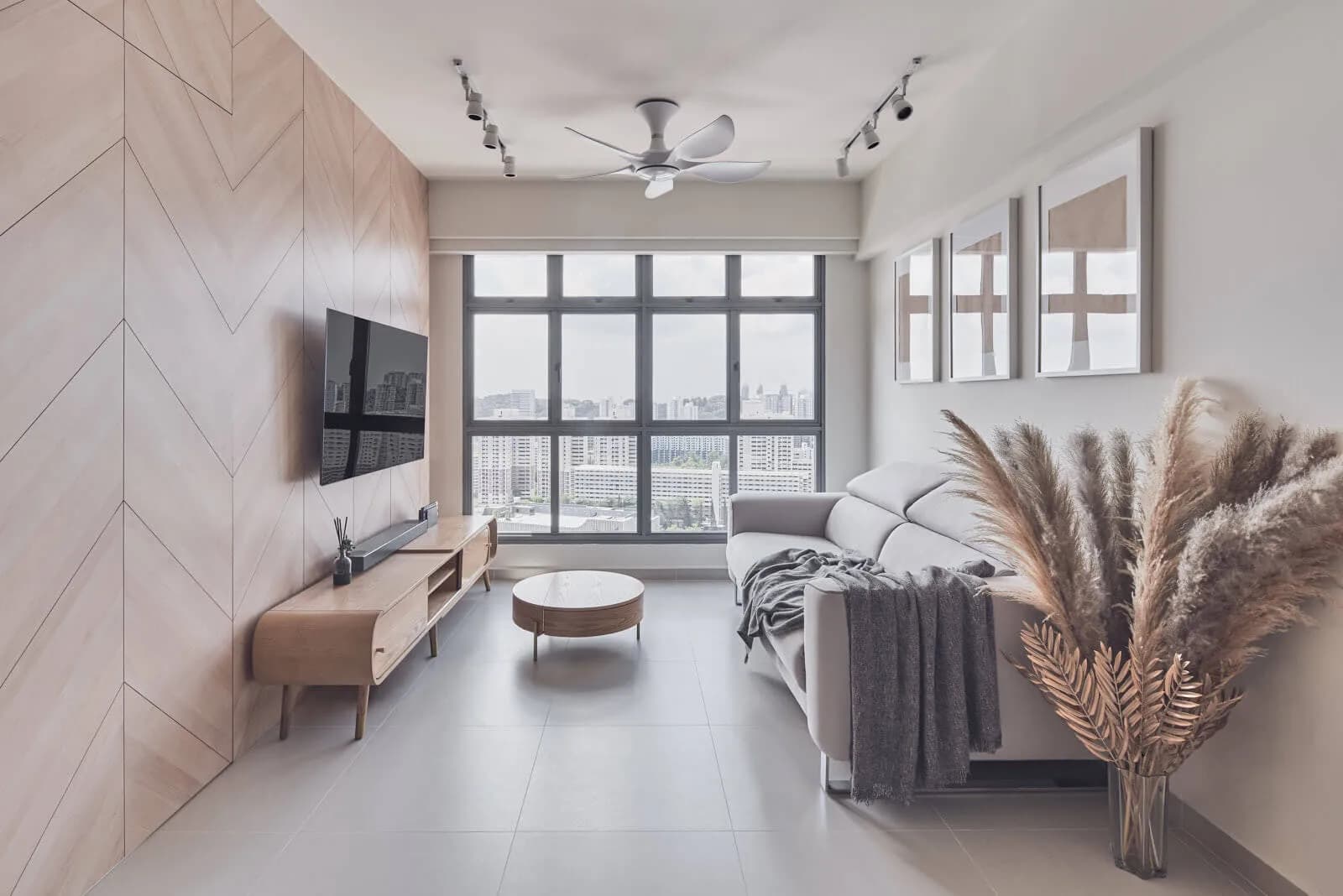
For residents, this means that affordable housing does not have to mean lower-quality housing. Factory-built units can deliver the same interior finishes, the same energy performance, and the same durability as market-rate construction — because the production process does not distinguish between the two.